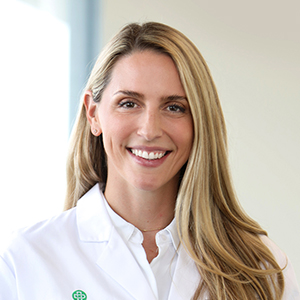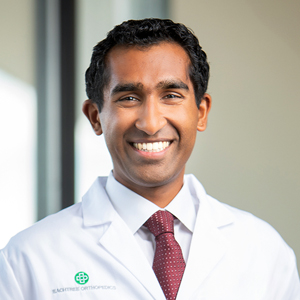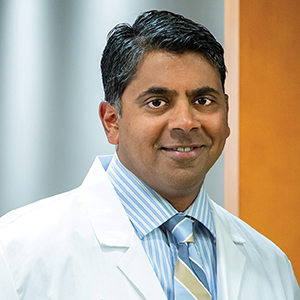
Your Knee Specialists

KNEE OVERVIEW

Knee pain is a common condition that can affect people of any age. Luckily, most knee pain can be addressed through conservative measures such as nonsteroidal anti-inflammatories (NSAIDs), therapeutic exercises and activity modification.

The knee joint is a complex joint. It has two compartments, the medial and lateral compartments, formed from the bottom of the thigh bone (femur) which sits on top of major lower leg bone (tibia). In the front of the joint, forming the third compartment is the kneecap (patella) which lies in the quadriceps tendon and rides in a groove in the end of the thighbone (femur).


COMMON KNEE CONDITIONS & INJURIES

The knee joint has limited stability from a bony perspective. Therefore, the knee must rely on its ligaments and muscles to provide stability. Certain injuries to the knee may require advanced imaging such as an MRI to further evaluate them. In some cases, arthroscopic knee surgery may be needed to repair the torn ligament or cartilage.

Arthritis

Despite advanced surgical techniques to treat knee injuries, arthritis of the knee may be the long-term outcome from past traumatic episodes. In addition, with aging, one can lose cartilage; this is termed degenerative or osteoarthritis. Conservative measures are typically the first line treatment approach for these problems. Regenerative medicine options such as platelet rich plasma (PRP) and stem cells injections are other treatment options. If conservative measures fail, however, knee replacement surgery may be necessary to replace the damaged lining of the joint.

Meniscus tears

Meniscus tears are among the most common knee injuries. When people talk about torn cartilage in the knee, they are usually referring to a torn meniscus.

Acute meniscus tears often happen while playing sports. As people age, they are more likely to have degenerative meniscus tears. Symptoms may include pain, stiffness, swelling, locking or feeling like your knee is giving way. 

Many meniscus tears will not need immediate surgery. If symptoms do not persist and you have no locking or swelling of the knee, your doctor may recommend nonsurgical treatment, including the RICE protocol:

Rest. Take a break from the activity that caused the injury. Your doctor may recommend that you use crutches to avoid putting weight on your leg.

Ice. Use cold packs for 20 minutes at a time, several times a day. Do not apply ice directly to the skin.

Compression. To prevent additional swelling and blood loss, wear an elastic compression bandage.

Elevation. To reduce swelling, recline when you rest, and put your leg up higher than your heart.

Anterior Cruciate Ligament (ACL) injuries

One of the most common knee injuries is an ACL sprain or tear. Partial tears are rare; most ACL injuries are complete or near complete tears. If this ligament is injured, surgery may be required to regain full function of the knee. This will depend on several factors, such as the severity of the injury, age, and activity level.

Some of the ways the anterior cruciate ligament can be injured include:

– Changing direction rapidly
– Stopping suddenly
– Slowing down while running
– Landing from a jump incorrectly
– Direct contact or collision, such as a tackle

If the overall stability of the knee is intact, the doctor may recommend simple, nonsurgical options including bracing and physical therapy.

KNEE SURGERY

If surgery becomes the best route for your recovery, Peachtree Orthopedics offers several options for knee surgery. Typically, all of these options can be done in an outpatient setting at one of our surgery centers. Our surgery centers are dedicated to orthopedic care only, and our staff is specifically trained for these particular surgical procedures. This means you get the very best care, the complications are far less frequent than in a hospital setting, and your outcome will be the best.

Total Knee Replacement
Total knee replacement involves removing damaged cartilage and bone from the entire knee joint and replacing it with artificial components made of metal and plastic. It’s recommended for severe arthritis affecting multiple compartments of the knee. Surgeons resurface the thigh bone, shin bone, and often the kneecap with prosthetic parts that replicate natural knee movement. The surgery typically requires 1-3 days hospitalization and several months of physical therapy. Most patients experience significant pain relief and improved mobility, with modern implants lasting 15-20 years or more.

Partial Knee Replacement
Otherwise known as unicompartmental knee arthroplasty, it involves replacing only the damaged portion of the knee joint rather than the entire joint. It’s typically recommended when arthritis affects just one compartment of the knee—usually the inner (medial) side. The procedure preserves healthy bone, cartilage, and ligaments, resulting in a more natural-feeling knee compared to total replacement. Benefits include smaller incisions, less blood loss, faster recovery, and shorter hospital stays. However, it’s only suitable for patients with limited arthritis and intact ligaments. The artificial components resurface the damaged area, relieving pain and restoring function. Recovery typically takes 3-6 weeks, though full healing continues for months.

Mako Robot Assisted Surgery
By using 3D CT imaging to create a personalized surgical plan for knee or hip replacement. The robotic arm guides the surgeon with extreme precision while allowing real-time adjustments. This technology enhances accuracy in implant positioning, preserves healthy bone and tissue, and can improve outcomes, potentially leading to faster recovery and longer-lasting results.

Partial Knee Sparing Approach
This minimally invasive technique preserves maximum healthy tissue while addressing isolated knee damage. It targets only the affected compartment, maintaining natural ligaments, bone, and cartilage elsewhere. This approach offers quicker recovery, reduced surgical trauma, and more natural knee mechanics compared to traditional methods. It’s ideal for patients with localized arthritis, providing pain relief while preserving future surgical options if needed.

Quad Sparing Total Knee Replacement (Subvastus Approach)
An advanced surgical technique that avoids cutting through the quadriceps muscle or tendon. Instead, surgeons access the knee by moving muscles aside rather than cutting them. This approach preserves quadriceps strength and function, leading to less post-operative pain, faster recovery, and quicker return to normal activities. Patients often experience better knee control and can typically begin walking and rehabilitation sooner than with traditional methods.

Revision Knee Replacement
A complex surgery to replace a failed or worn-out knee implant from a previous replacement. It’s needed when the original prosthesis loosens, wears out, becomes infected, or causes instability. The procedure is more challenging than initial replacement, often requiring specialized implants, bone grafts, and longer operating time. Recovery takes longer, and outcomes may be less predictable than primary replacements, though most patients still achieve significant pain relief.

CONTACT US FOR KNEE REPLACEMENT INFORMATION

If you feel you are a good candidate for a Partial or Full Knee Replacement, please contact us here and one of our clinical staff will promptly reach out to speak with you.

"*" indicates required fields

This field is for validation purposes and should be left unchanged.

KNEE PHYSICIANS

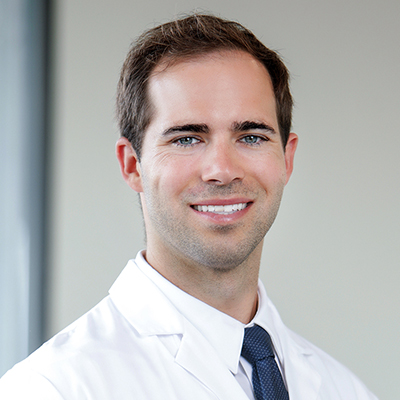
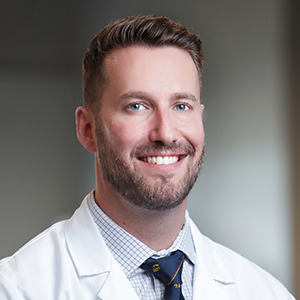
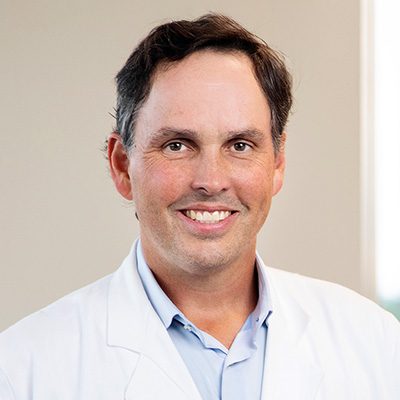
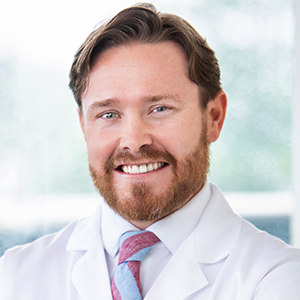
The good news is most injuries to the knee can be resolved conservatively, and majority of the others can be treated effectively surgically. Click on any physician image below to learn more below about Atlanta’s top orthopedic knee doctors and specialists.