PHYSIATRY OVERVIEW

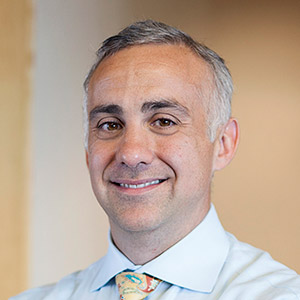
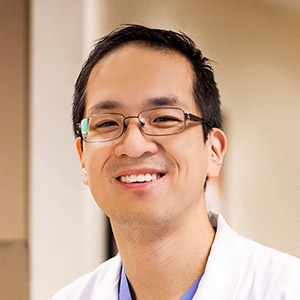
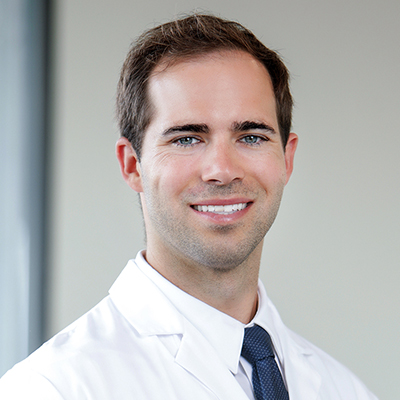
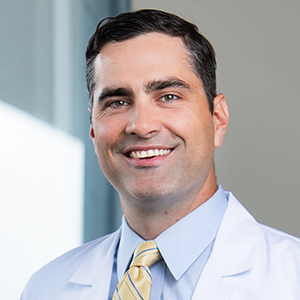
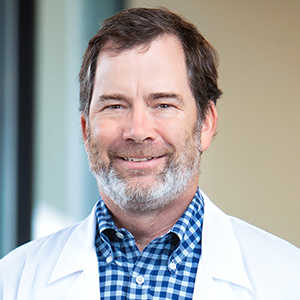
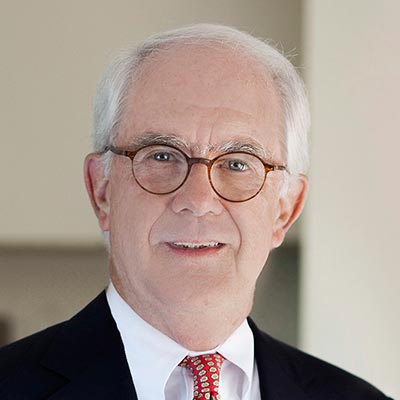
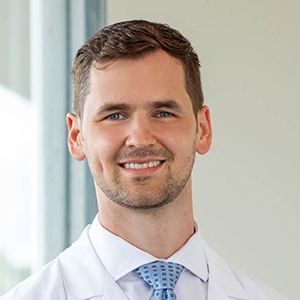
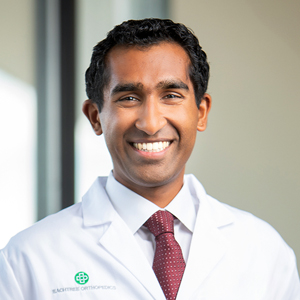
Peachtree Orthopedics hosts Atlanta’s premier physiatry group. Our team of Physical Medicine and Rehabilitation (PM&R) doctors will evaluate, treat, and set you on a path toward feeling better.

We specialize in restoring movement and relieving pain using nonsurgical treatments.

If you are experiencing pain, limited mobility, or a musculoskeletal issue, Peachtree Orthopedics will get you on the right track toward healing and staying active.

Focusing on spinal cord issues, nerve, muscular, skeletal, and joint conditions, our team provides patients with an encompassing overview and individualized treatment options with preventive measures.

Accurate assessment is key when addressing conditions related to the spine, neurological, and sports related concerns. We factor in all bone and muscle issues, past injuries, illnesses, chronic pain, disabilities, and physical impairments to set up each individual treatment plan.

Our physiatrists set a course to your recovery through a combination of non-surgical therapies, medications, and rehab schedules.

If necessary, we offer a wide range of minimally invasive treatments.

Peachtree Orthopedics physiatry offers Atlanta a comprehensive, meticulous approach to care with a focus on minimizing the impact of neurologic or musculoskeletal injury and maximizing function through non-operative treatments.

We’ll hustle to get you active and pain free as soon as possible.

The team is able to diagnose and treat acute and chronic pain issues. We can order and interpret all types of spine imaging (x-ray, CT myelogram, MRI, bone scan) and perform specialized nerve tests (EMG and NCV) to help assess the location and severity of nerve damage. They commonly treat patients with any kind of back or neck pain, work or sports-related injuries, fibromyalgia, myofascial pain, arthritis, tendonitis, spinal cord injuries.

ADDITIONAL PHYSIARTY INFORMATION

Back, Neck and Spine Overview

Almost everyone, at some point in their life, will have an episode of neck or back pain. It is one of the most common medical problems seen by emergency room and primary care doctors. The good news is that most of the time, these neck and back episodes are self-limited, or temporary. They generally get better on their own, though some episodes may last longer than others.

Common Back, Neck and Spine Conditions

Over 90% of the time, back and neck problems can improve without aggressive treatment; simply managing the symptoms during an episode may suffice. The pain often responds simply to modifying activities, avoiding actions that trigger the pain, taking an over-the-counter anti-inflammatory, and rest. Physical therapy, home exercises, stretching and short-term medications are sometimes recommended as well. Although the initial pain may be severe, it is very likely that neck and back issues will eventually resolve on their own, ranging from days to months. On occasion, the pain may reoccur; a nonaggressive treatment protocol will often help once again.

Nerve pinching pain (Radiculopathy)

A painful, yet fairly common problem that people can have is nerve pinching pain, or radiculopathy. In the lower back, it can also be referred to as a herniated disc, or sciatica, when pain also radiates down the leg. The overwhelming majority of pinched nerve episodes will get better without aggressive treatment and will respond well to the conservative protocol of anti-inflammatories, behavior modifications, and physical therapy. On occasion, this type of injury might require more aggressive interventions if numbness, tingling, or weakness is involved. If so, your doctor will proceed with advanced imaging (MRI) of the cervical and lumbar spine, depending on what part of the body is affected. If a pinched nerve is found, patients can be referred for further non-operative care such as epidural injections or cortisone shots in the back.

If all conservative efforts fail to relieve a patient’s pain, they might qualify for surgical intervention. Two commonly performed procedures include a microdiscectomy for the spine, which is minimally invasive and can often be done on an outpatient basis, and a fusion for the neck, which stabilizes bones (vertebrae). These types of procedures have an 85-90% success rate in relieving radiating pain, often immediately.

Sciatica

Sciatica pain is caused by an irritation, inflammation, pinching or compression of a nerve in the lower back. Sciatic pain may result from the general wear and tear of aging (arthritis) or any sudden pressure on the disks that cushion the bones of your lower spine. Pain can occur anywhere along the path of the sciatic nerve – from the lower back, through the hips, buttocks, and/or down the legs.

Sciatica pain can feel sharp, electrical, or burning, and can last for weeks before it goes away. It can also cause muscle weakness, “pins and needles” numbness, or a tingling sensation down your leg.

The condition usually heals itself, given sufficient time and rest. Approximately 80 to 90% of patients with sciatica get better over time without surgery, typically within several weeks if the underlying cause is a herniated disk. If the nerve compression is due to bone spurs and spinal stenosis, nonoperative treatment is less successful, but there is still a good change for improvement.

Herniated disk

Sometimes called a slipped, bulging, or ruptured disk, a herniated disk is a condition that can occur anywhere along the spine, but most often occurs in the lower back. When a herniated disk bulges out toward the spinal canal, it puts pressure on sensitive spinal nerves, causing pain.

Although a herniated disk can be very painful, most people feel much better with just a few weeks or months of nonsurgical treatment. Initial treatment may include:

– 1-2 days of bed rest
– Nonsteroidal anti-inflammatory drugs such as ibuprofen or naproxen
– Physical therapy
– Epidural steroid injection

Only a small percentage of patients with lumbar disk herniation require surgery. Spine surgery is typically recommended only after a period of nonsurgical treatment has not relieved painful symptoms.

Surgery

If all conservative efforts fail to relieve a patient’s pain, they might qualify for surgical intervention. Two commonly performed procedures include a microdiscectomy for the spine, which is minimally invasive and can often be done on an outpatient basis, and a fusion for the neck, which stabilizes bones (vertebrae). These types of procedures have an 85-90% success rate in relieving radiating pain, often immediately.

Radiculopathy (Cervical, Thoracic, Lumbar; also referred by many as “sciatica,” which can be attributed to radiculopathy) – SEE ABOVE

Arthritis (affecting neck and low back; also termed “spondylosis”)

Arthritis

Despite advanced surgical techniques to treat knee injuries, arthritis of the knee may be the long-term outcome from past traumatic episodes. In addition, with aging, one can lose cartilage; this is termed degenerative or osteoarthritis. Conservative measures are typically the first line treatment approach for these problems. Regenerative medicine options such as platelet rich plasma (PRP) and stem cells injections are other treatment options. If conservative measures fail, however, knee replacement surgery may be necessary to replace the damaged lining of the joint.

Spondylosis

Spondylosis is a degenerative condition of the spine that affects discs, joints, and ligaments. It is a common cause of chronic neck and back pain. Causes for spondylosis can be age related wear and tear, accident or injury, recurring stress on the spine, and genetics. Symptoms can be pain, stiffness, and reduced range of motion. There may also be numbness, tingling, or weakness in the arms or legs.

Types of spondylosis:

  • Cervical, which affects the neck. Lumbar, which affects the lower back. And the rarer thoracic, which affects the middle back.
  • Disc Herniation – SEE ABOVE

Spinal Stenosis

Spinal stenosis is a condition where the spinal canal becomes narrowed. This space is a bony tunnel that protects the spinal cord and nerve roots. Narrowing on this space puts pressure on nerves, leading to various symptoms and issues.

Causes of spinal stenosis range from age-related degeneration to arthritis, herniated discs, tumors, and injuries to the spine.

Spinal stenosis can occur in multiple parts of the spine, but it is most common in the lower back (lumbar stenosis) and neck (cervical stenosis).

Spinal Stenosis Symptoms:

  • Pain, numbness, or tingling in the back, legs (or arms in cervical stenosis), or buttocks
  • Weakness in the legs or arms
  • Cramping in the legs when walking or standing for long periods
  • Difficulty walking or standing upright
  • Loss of bladder or bowel control (in severe cases)

Peripheral Neuropathy

Peripheral neuropathy is a condition that occurs when the nerves outside of the brain and spinal cord are damaged. Issues related to this damage can cause pain, numbness, tingling, and weakness in the hands and feet.

Symptoms of Peripheral Neuropathy
● Tingling or numbness
● Burning pain
● Muscle weakness
● Cramps
● Loss of balance
● Changes in skin, hair, or nails
● Difficulty walking or running
● High foot arches and curled toes

Causes of Peripheral Neuropathy
● Diabetes
● Autoimmune disorders
● Chronic kidney disease
● Infections
● Low levels of vitamins
● Metabolic disease
● Poisoning
● Poor blood flow
● Underactive thyroid gland
● Chemotherapy

Regenerative medicine (ie. PRP)

Biologics can help resolve ailments with less pain and a faster recovery than major invasive surgery. Some of the advanced therapies we offer include Platelet Rich Plasma (PRP), Lipogems, Alpha 2 Macroglobulin (A2M), and Bone Marrow Aspirate (BMA).

Platelet Rich Plasma (PRP)
Blood is made up of cells (white blood cells, red blood cells and platelets) that are suspended within fluid called plasma. Platelets are best known for their ability to clot blood, but are also very rich in proteins called growth factors that stimulate healing. Platelets are made in the bone marrow and freely pass through the bloodstream. When injury occurs, platelets become activated and migrate to the injury site and release growth factors. Platelet rich plasma (PRP), is simply that, plasma with a high concentration of platelets. PRP injections are performed in our office. We use a simple process involving a single blood draw followed by centrifugation to concentrate the platelets and exclude the other unwanted blood products. The PRP solution is then injected into the affected area stimulating rapid and more effective healing.

Lipogems
LIPOGEMS(R) (www.understandlipogems.com) is a single-use, FDA cleared device for harvesting, processing and injecting adipose tissue (commonly known as fat tissue). Fat naturally contains a rich network of cells and tissues that help with injury repair. The Lipogems(R) system has been cleared by the FDA to process Microfragmented Fat TM to repair injured or damaged tissue and provide cushion and structural support. In a minimally-invasive procedure, the physician will make a tiny puncture through your skin and collect a small amount of fat from either your midsection or “love handles”. Next, the collected fat will be processed in the unique Lipogems device using only sterile saline solution to remove contaminants. During this process, your fat is washed, rinsed and resized into smaller clusters while keeping the natural beneficial properties of your fat. Since the Lipogems process micro-fragments the fat, the size of Lipogems tissue is ideal to facilitate healing in the treatment site(s). The physician will then use a small needle to inject the Lipogems tissue into the treatment site. For patients that suffer from orthopedic issues in multiple areas of their body, the Lipogems device can easily process the fat tissue to be used in those areas.

Alpha-2-Macroglobulin (A2M)
Alpha 2 Macroglobulin (A2M) is a protein found naturally in our blood, though the size and complexity of the molecule prohibits A2M from accessing our joints in therapeutic quantities. A2M acts as a protease inhibitor by binding to and inactivating damaging proteases in our bodies. Proteases are enzymes with catabolic qualities, meaning that they break down larger molecules into smaller units. This is good in some cases, however there are proteases that live in our joints that catabolize cartilage-breaking it down and causing arthritis. A2M is especially effective in arthritic joints, as it can trap the proteases that are degrading the cartilage, destroy them, and flush them out of our bodies. A2M is isolated from your own blood through a centrifuge spin and filtering system, allowing us to inject a large volume of A2M directly into the joint. This high concentration of A2M will help the body to destroy the harmful proteases, neutralizing the joint and providing pain and inflammation relief.

Bone Marrow Aspirate (BMA)
Bone marrow is a soft spongy tissue found in the center of our large bones. In adults, marrow produces red and white blood cells, as well as other plasma components. Bone marrow harnesses the body’s natural healing process through the aid of growth factors within the marrow, known as mesenchymal signaling cells. These cells are considered “pluripotent”, meaning they are undifferentiated and can replicate themselves into various tissue and cell types. By introducing these pluripotent cells into the injured area, marrow is able to initiate a healing response by the body, helping to repair damaged tissue.

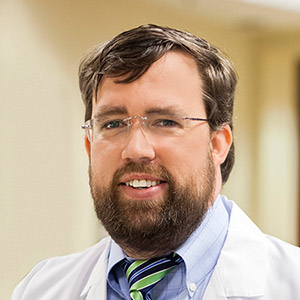
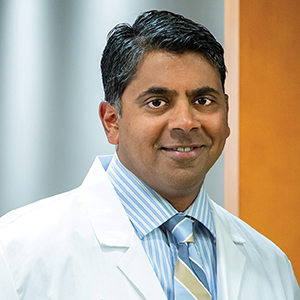
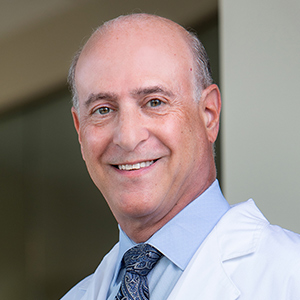
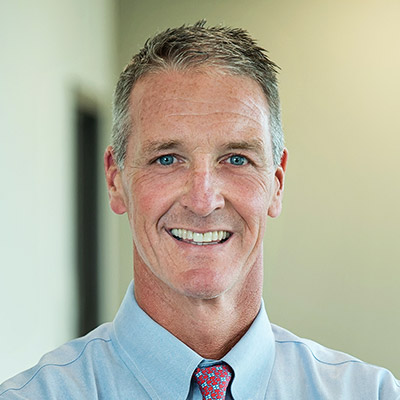
PHYSIATRY PHYSICIANS

Physiatrists complete four years of medical school, plus an additional four years of residency training. Many physiatrists complete fellowship training in a specialty area. Afterward, doctors are eligible to take the tests of the American Board of Physical Medicine and Rehabilitation (ABPM&R) to become a board-certified physiatrist. Physiatrists provide many medical services, but they do not perform surgery. Physiatrists treat musculoskeletal, cardiovascular, pulmonary, and neurological disorders, including conditions such as arthritis, back pain, work- and sports-related injuries, and brain or spinal cord injuries. Physiatrists may practice in a variety of settings, including hospitals, rehabilitation centers, and private practice. Physiatry provides for multidisciplinary care aimed at the recovery of the whole person by addressing their physical, emotional, vocational, and social needs.